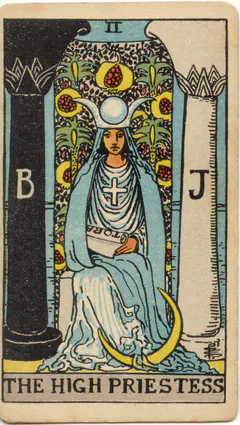
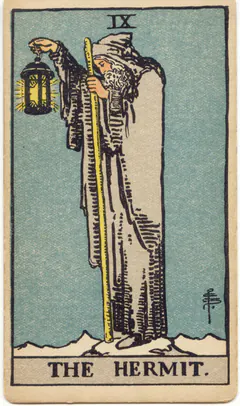
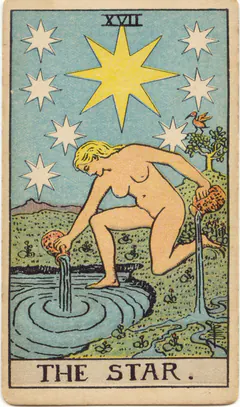
01 · When to use it
Past · Present · Future
Read the three cards as a sequence: what shaped the matter, what is active now, and what direction may unfold if the present pattern continues.
The three positions
- 1
PastThe influence, decision, or pattern that helped create the present situation.
- 2
PresentThe central energy, tension, or opportunity asking for attention right now.
- 3
FutureThe likely direction of travel if the current choices and conditions remain in place.
Read positions as a relationship
Look for what the present still carries from the past, what has genuinely changed, and where the emerging direction can still be redirected by a conscious choice.
Ground the reading
Name one inherited pattern to release, one present choice to make, and one observable sign that would show whether the emerging direction is useful.
02 · When to use it
Situation · Challenge · Guidance
Use this spread to name the present landscape, identify the pressure point, and consider a grounded response without treating the cards as fixed prediction.
The three positions
- 1
SituationWhat is most characteristic of the situation as it stands today.
- 2
ChallengeThe obstacle, blind spot, or productive tension that deserves an honest look.
- 3
GuidanceA practical posture or next step to test in the real circumstances around you.
Read positions as a relationship
Read the guidance as a direct response to the named challenge, not as a separate positive message. The useful question is whether it changes how the situation can actually be handled.
Ground the reading
Choose one action small enough to test within twenty-four hours that applies the guidance to the challenge while respecting the facts of the situation.
03 · When to use it
Notice · Explore · Carry Forward
A reflective triad for slowing down: notice what is present, explore its deeper pattern, and choose one insight to carry into ordinary life.
The three positions
- 1
NoticeThe feeling, fact, or signal that becomes clearer when you stop rushing past it.
- 2
ExploreThe underlying assumption or relationship that is worth examining with curiosity.
- 3
Carry forwardOne perspective or practice you can carry from this reading into the next few days.
Read positions as a relationship
Let the second card deepen rather than replace what the first card reveals. The final card should respond to the question opened by that pair with a perspective that can survive contact with ordinary life.
Ground the reading
Write one sentence for what you noticed, one question worth exploring, and one practice you will carry for the next three days.