Element · Air
Air describes thought, language, perspective, and movement between positions; it can clarify a field or turn into noise, abstraction, and cutting distance.
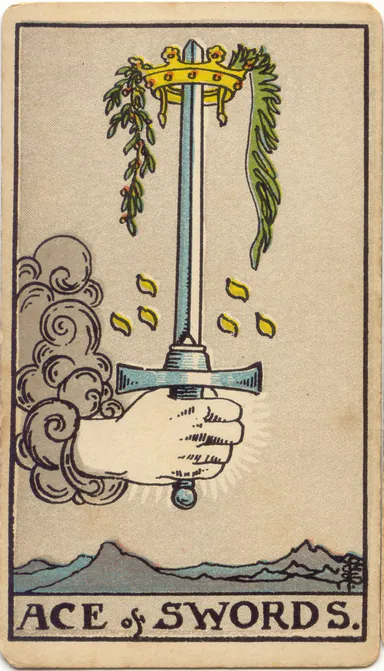
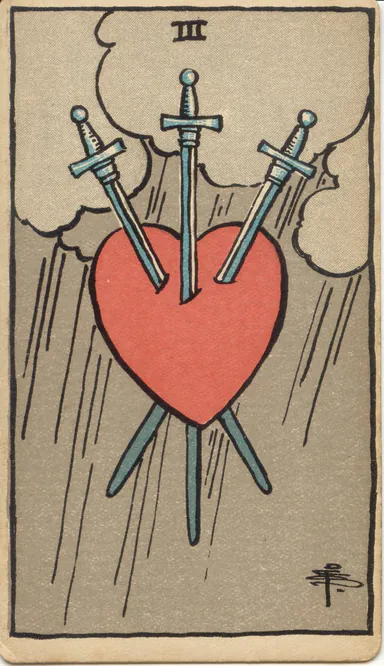
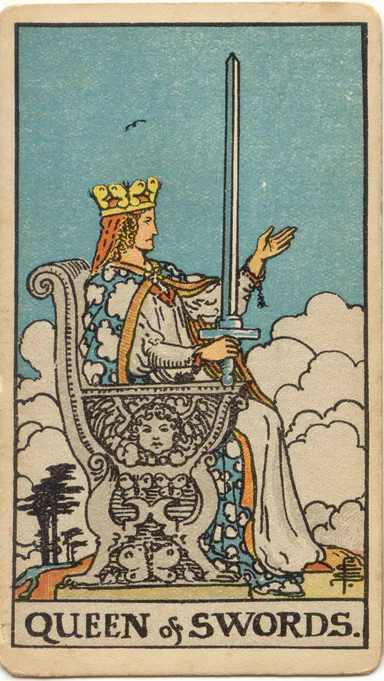
Minor Arcana · 14 cards
Swords is the air suit of the Minor Arcana. Its fourteen cards examine clarity, decision, conflict, rest, transition, strategy, restriction, anxiety, endings, inquiry, argument, discernment, and ethical judgment.
What this family is
Swords concerns the force of thought and language: how a premise becomes a decision, how truth is communicated, and how conflict changes the field around it. Air is a traditional correspondence for mind and communication, not proof that detached analysis is always superior to emotion or embodied knowledge.
Internal structure
Ace through Ten moves from a clarifying idea into stalemate, painful truth, recovery, contested victory, passage, indirect strategy, perceived restriction, mental suffering, and finality. The Court Cards progress through inquiry, rapid assertion, experienced discernment, and accountable intellectual authority.
Three reading coordinates
Air describes thought, language, perspective, and movement between positions; it can clarify a field or turn into noise, abstraction, and cutting distance.
Swords often sharpens questions about evidence, boundaries, communication, ethics, strategy, disagreement, and the cost of a conclusion.
The suit's difficult expression includes rumination, suspicion, humiliation, argument without listening, and certainty built from incomplete facts.
How to learn the sequence
Clarity encounters indecision and pain, then requires enough protected rest for thought to become usable again.
Conflict leads through transition, strategy, restriction, anxiety, and the point where a failed pattern must be ended.
Page investigates, Knight asserts, Queen discerns with boundaries, and King makes judgment answerable to evidence and principle.
Reading practice
In a Swords-heavy reading, separate facts, interpretations, fears, and arguments. Identify who has information, what has been said, and which decision is actually available. Reversals can indicate distorted reasoning, suppressed speech, a truth emerging, or a conflict beginning to release its hold.
Limits and boundaries
Swords does not make suspicion true or justify cruelty in the name of honesty. Use its precision to test premises, document choices, and improve communication while recognising stress, power differences, and the limits of purely intellectual control.
Browse all 14 cards
clarity · truthAce of SwordsRead the card →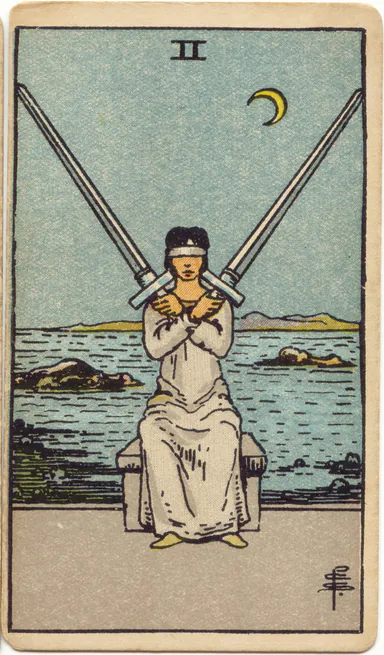 stalemate · choiceTwo of SwordsRead the card →sorrow · separationThree of SwordsRead the card →
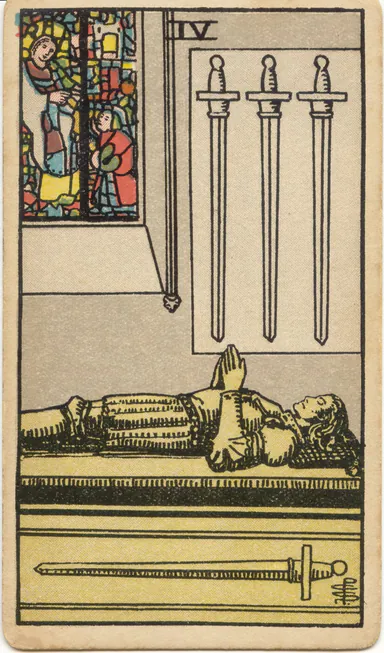 rest · recoveryFour of SwordsRead the card →
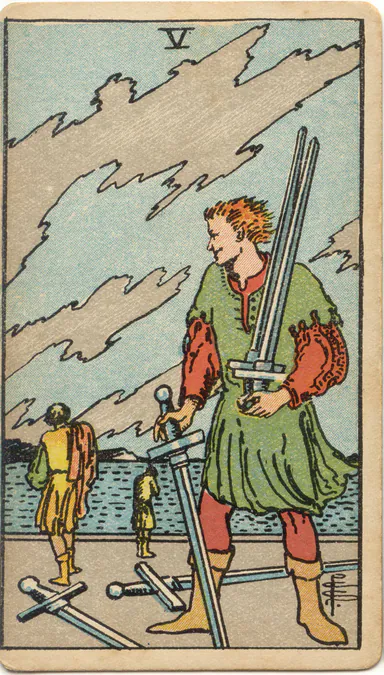 conflict · defeatFive of SwordsRead the card →
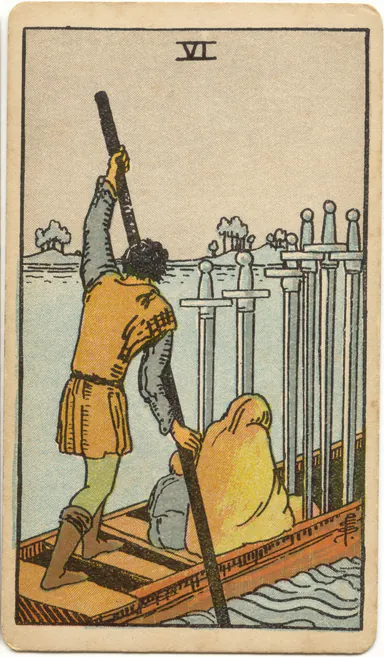 transition · passageSix of SwordsRead the card →
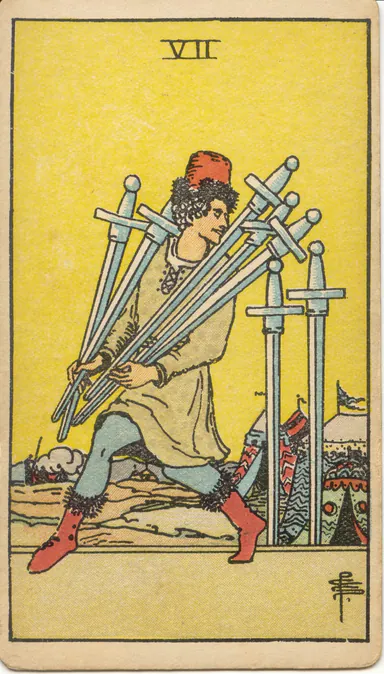 strategy · secrecySeven of SwordsRead the card →
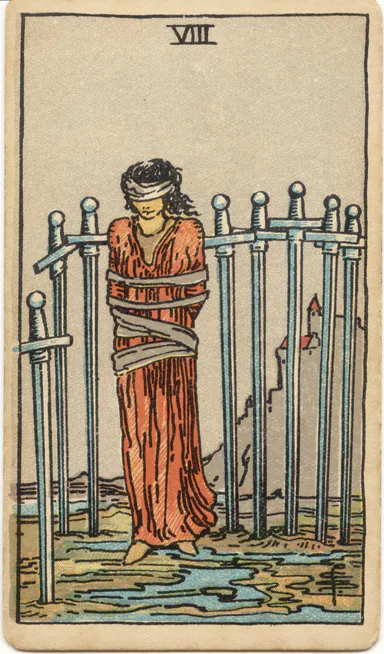 restriction · beliefEight of SwordsRead the card →
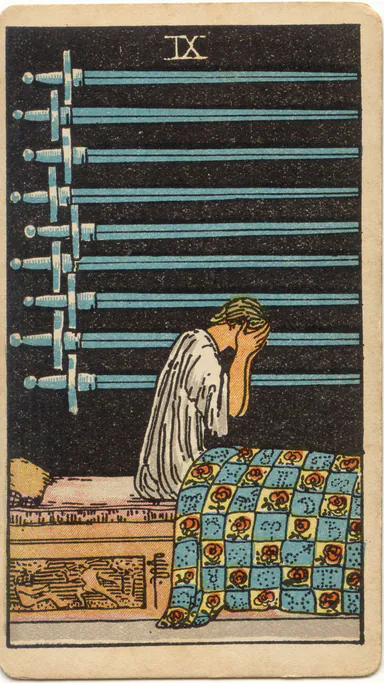 anxiety · remorseNine of SwordsRead the card →
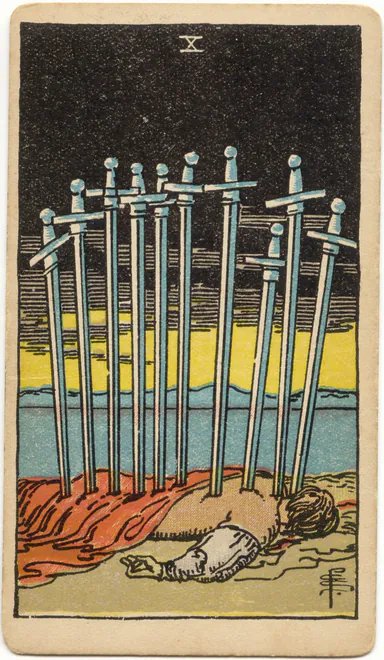 ending · exhaustionTen of SwordsRead the card →
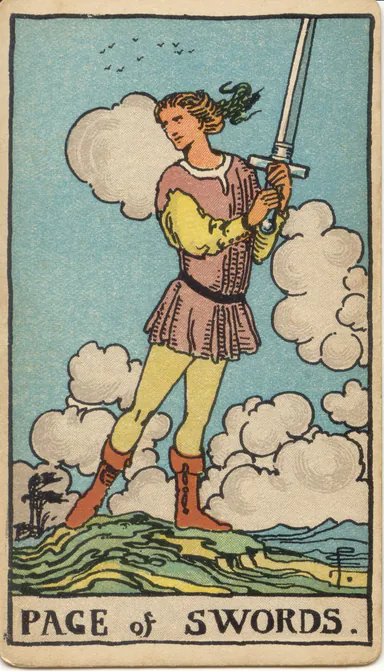 curiosity · vigilancePage of SwordsRead the card →
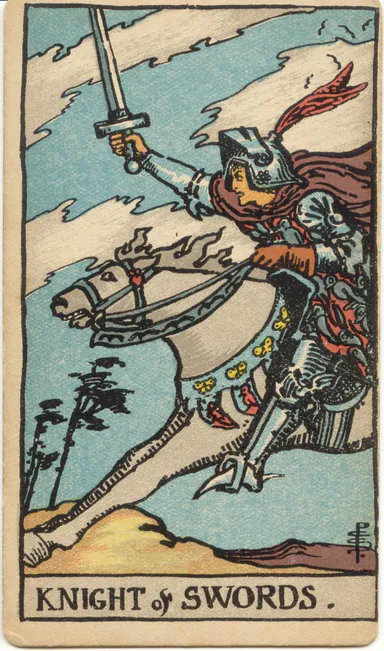 speed · assertionKnight of SwordsRead the card →discernment · candorQueen of SwordsRead the card →
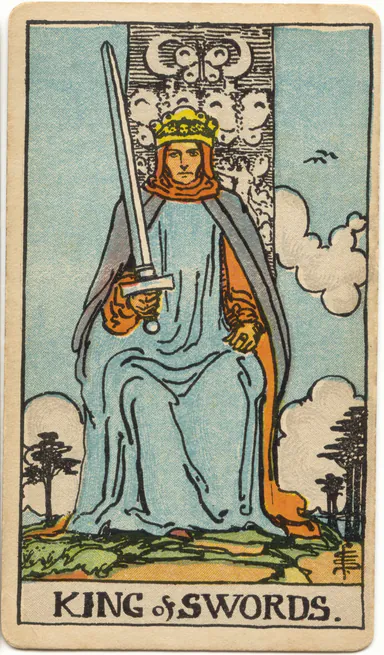 reason · authorityKing of SwordsRead the card →
Method and source
A. E. Waite, The Pictorial Key to the Tarot (1910) · Independent Sibyl editorial synthesis · Independently authored and editorially reviewed
Content version 1.0.0