Archetypal scale
The cards speak in broad human patterns—choice, authority, attachment, rupture, hope—while the question and spread determine where that pattern belongs.
Tarot deck anatomy · 22 cards
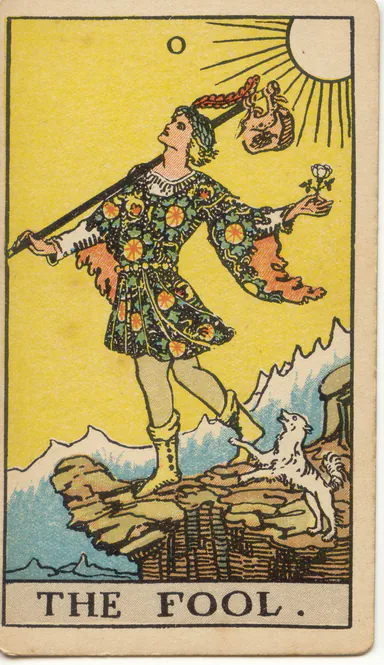
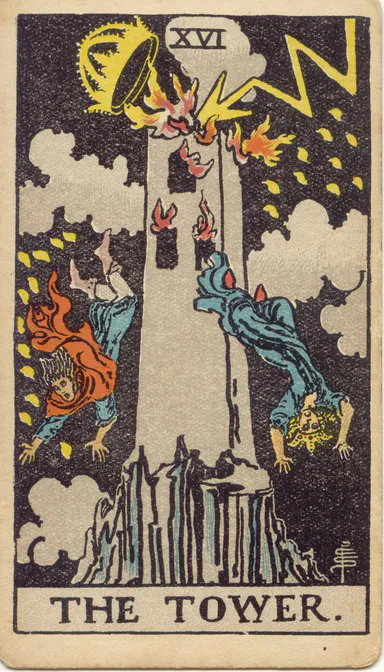
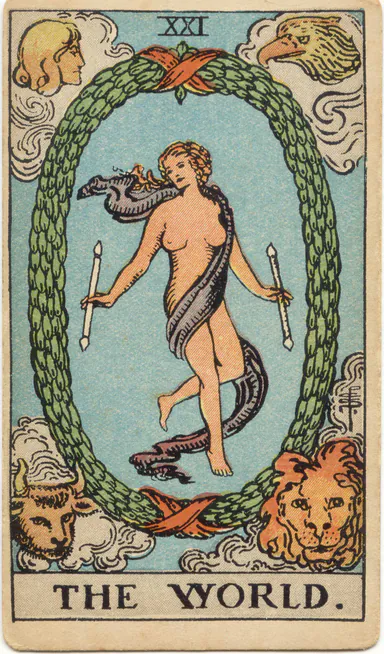
The Major Arcana forms a twenty-two-card sequence from The Fool to The World. Read together, these images describe thresholds, choices, reversals, crises, and forms of integration that sit above the everyday suit structure.
What this family is
Major Arcana cards are the un-suited cards of the Rider–Waite–Smith deck. Their Roman numerals and recurring figures create a visible sequence, but a reading does not have to predict a fixed destiny. The family is most useful as a vocabulary for consequential patterns, developmental turning points, and questions that reshape the frame of a situation.
Internal structure
The sequence begins with The Fool as card zero, moves through agency, relationship, social order, testing, surrender, disruption, renewal, and finally The World. This continuity is often called the Fool's Journey. It is a teaching map rather than a mandatory chronology for a person's life, and an individual card still takes meaning from its position and neighbours in a spread.
Three reading coordinates
The cards speak in broad human patterns—choice, authority, attachment, rupture, hope—while the question and spread determine where that pattern belongs.
Figures, gestures, landscape, and repeated symbols should be observed before a memorised keyword is used to close interpretation.
One Major card can frame a reading, but its practical meaning still depends on position, orientation, neighbouring cards, and real-world evidence.
How to learn the sequence
The Fool through The Chariot develops agency through tools, intuition, care, order, tradition, choice, and directed movement.
Strength through The Tower examines restraint, solitude, cycles, judgment, suspension, endings, integration, attachment, and collapse.
The Star through The World moves from renewed orientation through ambiguity, visibility, reckoning, and an earned form of wholeness.
Reading practice
When a Major Arcana card appears, first name the concrete image and the decision or threshold it suggests. Then ask whether the card describes the situation, the reader's stance, or a wider condition. In a multi-card reading, compare its scale with nearby Minor Arcana cards instead of treating it as automatically more important or more fated.
Limits and boundaries
Major Arcana symbolism can organise reflection, but it does not verify supernatural causation, diagnose health, establish another person's intentions, or override evidence and consent. Reversals are interpreted through the same reviewed card profile, not as a separate prediction engine.
Browse all 22 cards
beginnings · opennessThe FoolRead the card →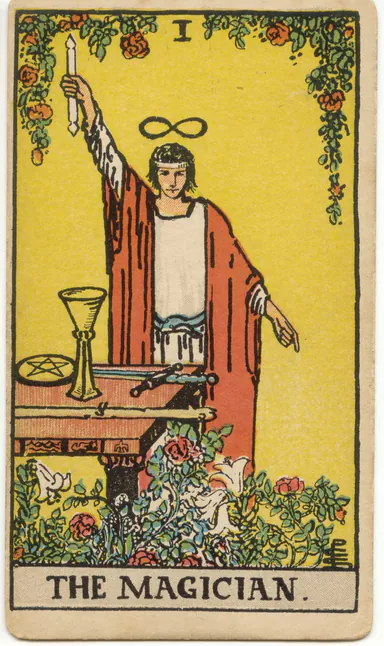 agency · skillThe MagicianRead the card →
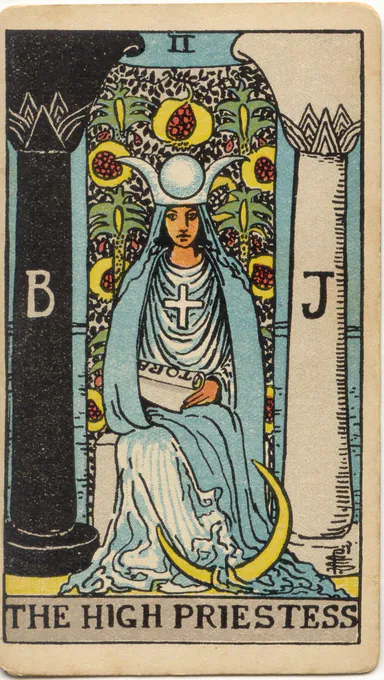 intuition · mysteryThe High PriestessRead the card →
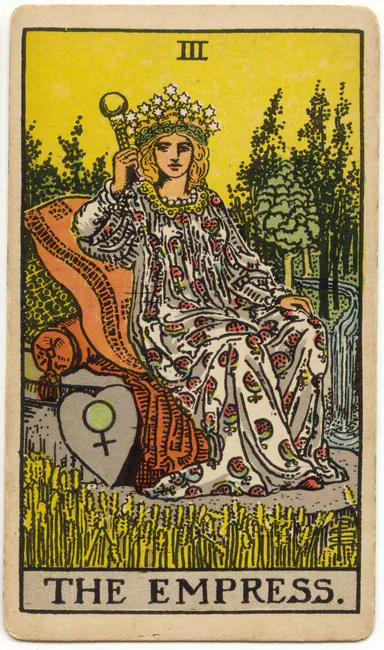 nurture · creativityThe EmpressRead the card →
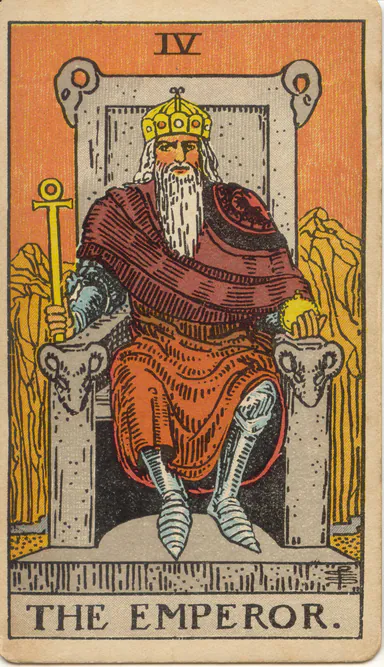 structure · authorityThe EmperorRead the card →
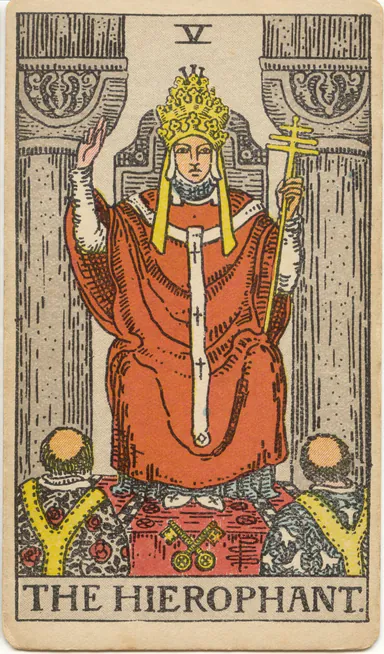 tradition · teachingThe HierophantRead the card →
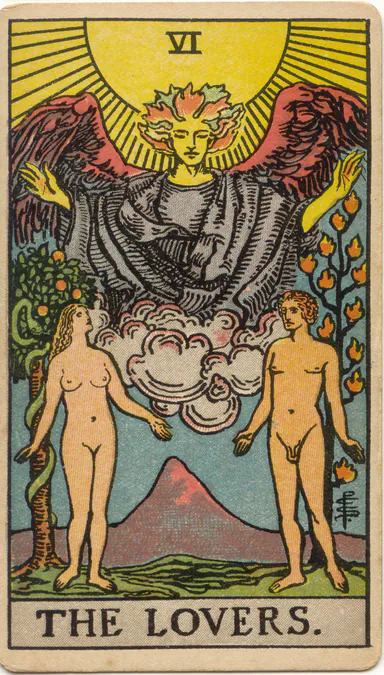 union · choiceThe LoversRead the card →
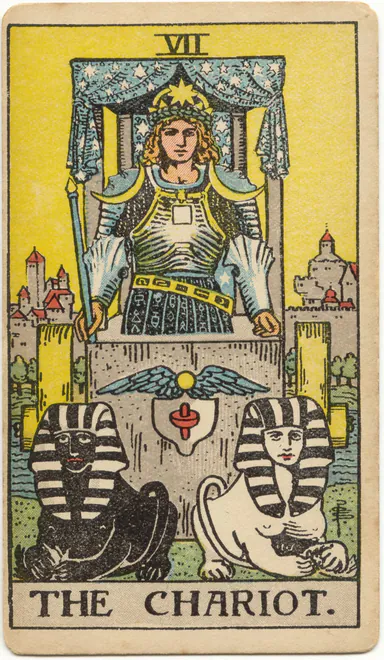 direction · willThe ChariotRead the card →
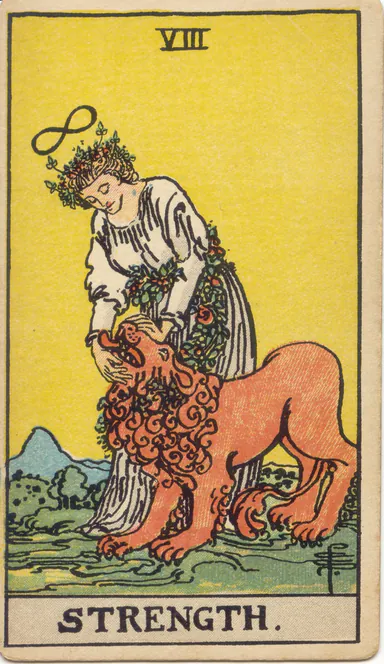 courage · patienceStrengthRead the card →
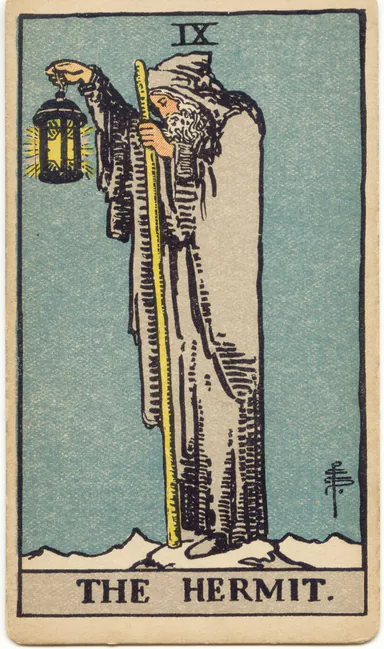 solitude · inquiryThe HermitRead the card →
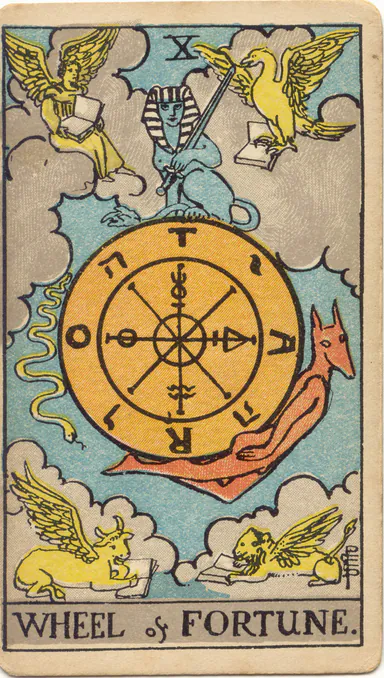 cycles · changeWheel of FortuneRead the card →
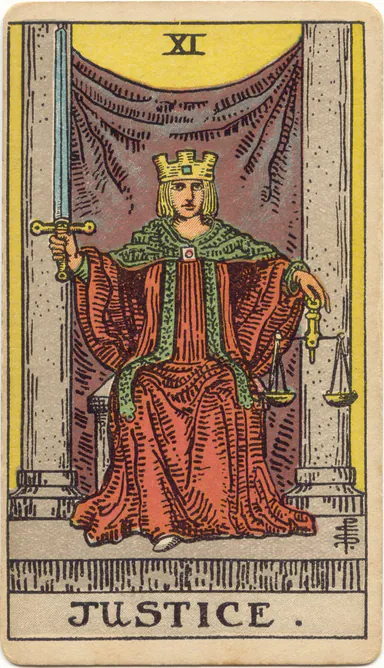 fairness · accountabilityJusticeRead the card →
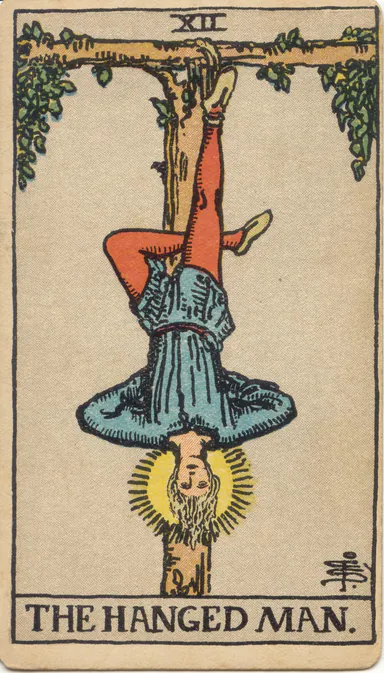 suspension · perspectiveThe Hanged ManRead the card →
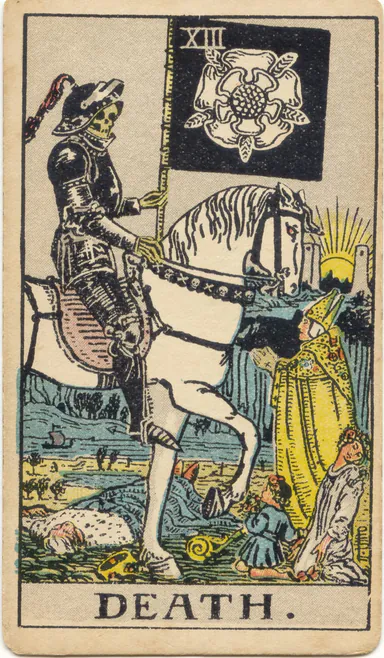 ending · transitionDeathRead the card →
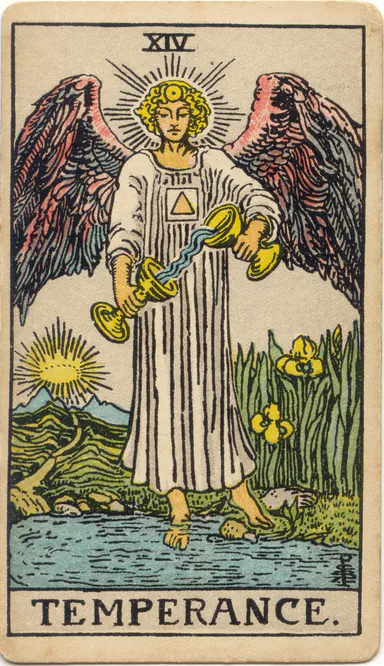 integration · moderationTemperanceRead the card →
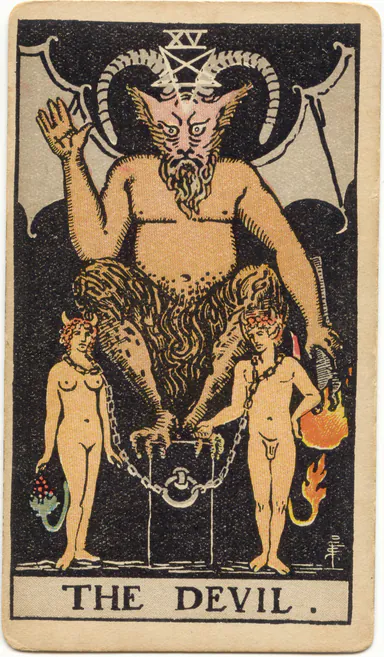 attachment · compulsionThe DevilRead the card →upheaval · revelationThe TowerRead the card →
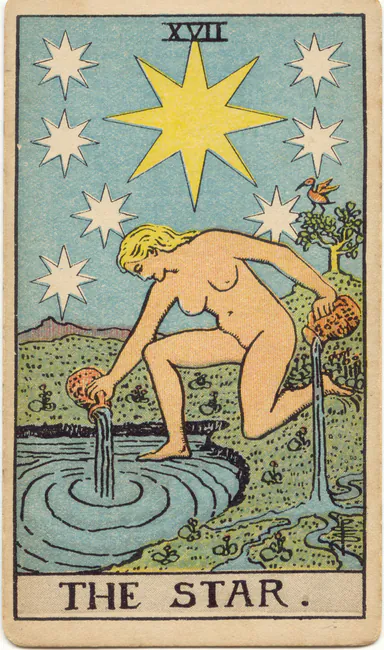 hope · renewalThe StarRead the card →
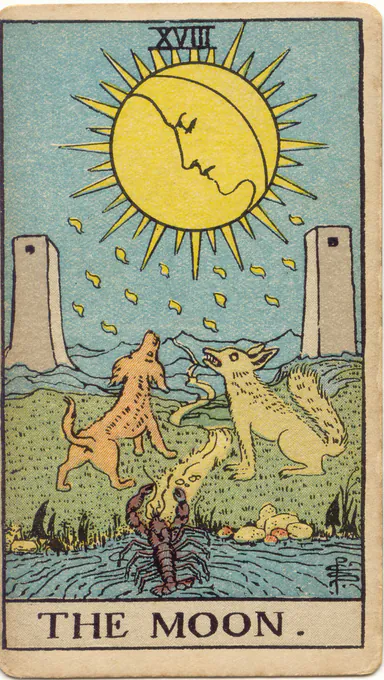 ambiguity · instinctThe MoonRead the card →
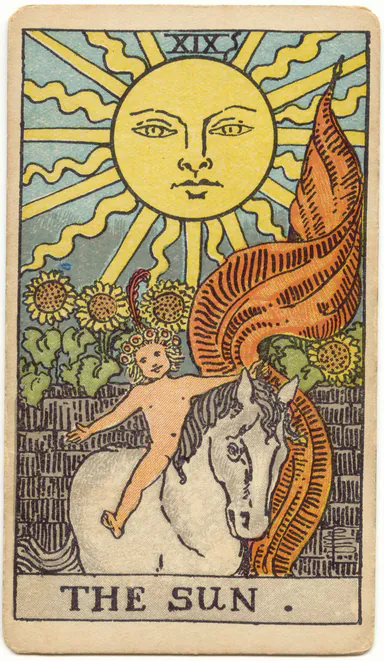 vitality · clarityThe SunRead the card →
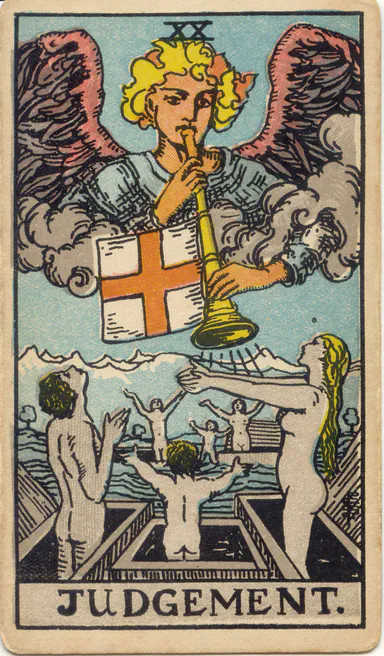 reckoning · awakeningJudgementRead the card →completion · integrationThe WorldRead the card →
Method and source
A. E. Waite, The Pictorial Key to the Tarot (1910) · Independent Sibyl editorial synthesis · Independently authored and editorially reviewed
Content version 1.0.0